A house in Belmont Shore is rarely just a house. Spanish-style homes from the 1920s and 1930s stand next to remodels, large new builds and multifamily buildings, all within sight of the beach and the 2nd Street dining strip. Each type fails differently. Belmont Shore sits within the Long Beach and Harbor coverage area; the quote page takes a description of the trouble and leads to a priced, written offer.
Why do 1920s Spanish-style houses leak in different places?
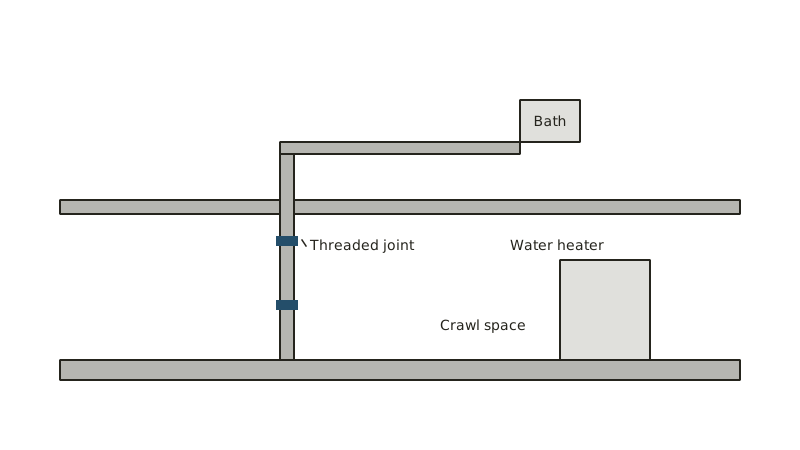
Belmont Shore's older houses date to the 1920s and 1930s, and plumbing of that age often gives out first at threaded joints. Galvanized steel supply pipe corrodes from inside, with a typical life of 40 to 50 years. Many houses have been remodeled in pieces, so one wall may hold three generations of pipe.
Remodels leave a patchwork behind them. A 1990s bathroom with new copper might be fed by a 1930s galvanized stub, and a joint between unlike metals can be a weak spot. Plaster over lath and tile set in mortar make access slow, which pushes up the labor on any opened wall. Ask a plumber how many access holes a repair needs and who patches them.
If a house has been through several owners, assume nothing about what sits behind the plaster. Brown water at first draw, pressure that fades at the farthest tap and pinhole leaks all point back to supply pipe. Pages on replacing galvanized pipe and repiping an older house show the options and the prices.
What goes wrong with apartments and duplexes near 2nd Street?
Multifamily buildings add shared stacks, shared meters and the problem of one unit's leak becoming another's ceiling stain. The first call usually goes to the property manager, who then arranges a plumber, but a tenant who sees active water should close the nearest shutoff and photograph the damage before moving a thing.
Shared drain stacks are the next flashpoint. When one tenant's kitchen sink backs up and a neighbor below sees water in the tub, the clog is in a pipe serving both units, and a drain camera can locate it. Our drain slowdown guide covers the signs before a backup, and ceiling stains from leaks covers the aftermath.
The 2nd Street business district runs across 15 side streets, so restaurants and apartments often share the same blocks and the same sewer mains. Long Beach Utilities says grease poured down a drain cools, hardens and builds up in sewer mains, and hot water does not prevent it. Residents can help by scraping plates and keeping cooking fat out of the disposal. The garbage disposal repair page explains what disposals can and cannot handle.
How does a plumber work on a tight, busy Belmont Shore street?
Access shapes the price here. The lots are compact, parking competes with the 2nd Street crowd, and many homes sit close to neighbors, so a plumber needs time to unload tools and may need a legal spot for a van. Mention parking, alley access and gate codes when you request a price; it spares a second trip.
Bring up building type too. A condo might require association approval and elevator reservations before work, while a single house on a narrow lot may need a crawlspace entry cleared of stored items. Most repairs need the water off, and in a building with several units, neighbors have to be warned.
The ocean is close, and coastal air is rough on metal. Exposed hose bibs, meter-box fittings and outdoor shutoff valves tend to corrode faster by the sea, and salt can also seize the screws on access panels. A plumber who knows the area budgets for replacing a stuck valve instead of hoping it turns.
What does the water do to heaters and fixtures here?
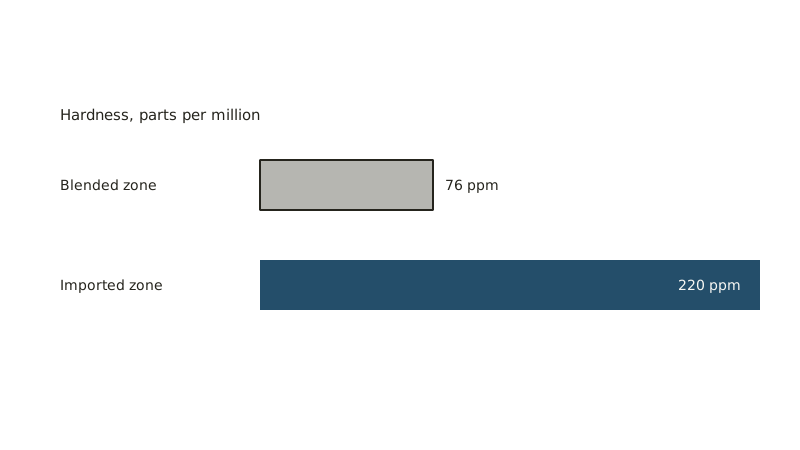
Long Beach Utilities delivers two different mixes. In its 2025 report the blended zone averages 76 ppm hardness (4.4 grains) and the imported-water zone averages 220 ppm (12.8 grains). Each street sits in one zone or the other, and the main line, (562) 570-2300, can say which.
Where water is harder, scale builds on heating elements and in tankless units, and a tank may need flushing earlier. Where it is softer, corrosion matters more than crust. Either way, the anode rod inside a tank heater is a consumable part. See anode rod replacement and tank versus tankless heaters before you choose.
Long Beach also requires strapping. Per the city's plumbing page, approved anchors or straps must hold a water heater against earthquake motion, placed in its top third and bottom third. The 1933 Long Beach earthquake, a magnitude 6.4 event on the Newport-Inglewood Fault, dropped water tanks through roofs, according to the historical record.
Which permits and gas lines should Belmont Shore owners know about?
A permit from the City of Long Beach is required when plumbing, gas or drainage piping, a fixture or water heating equipment is installed, altered, repaired or replaced, unless the code exempts the job. Stopping a leak without new materials is exempt, and so is repairing a water heater without disconnecting it. Water heater replacement is not exempt.
Owners can pull their own permit in some cases, if they live in the home and do the work themselves. Contractors who hold the state license may file for it too. Gas piping is regulated work, which makes it a contractor's job, and see gas line work for how it is priced.
Belmont Shore gas comes from Long Beach Utilities. Gas odor means out of the building. Where anyone is at risk, 911 is first; the Long Beach gas emergency line, (562) 570-2140, follows from the street. A water or sewer emergency goes to the utility's 24-hour dispatch at (562) 570-2390. Automatic shutoff at the meter is covered in earthquake gas shutoff valves.
What is the easiest way to book a visit?
Reach us from the header number during weekday office hours, Monday to Friday, or through the quote page. Name the street, the building type and the symptom. Someone local is arranged to inspect, with the written quote in hand before anyone starts.
Plan before you call, because the written quote after a visit sets the price for your house, not a general range. Older Belmont Shore homes vary a lot in pipe type and access. The plumber cost guide splits it by job. The process page lists each step, and the Harbor Lights Plumbing home page gathers every service in one place.
Common questions
What do plumbing jobs run in Belmont Shore?
Prices for hourly labor, a fitted tank heater or a repipe depend on the job, and plaster, tile and mixed pipe in older houses can raise them. The visit produces the written figure that counts, so ask for it before work starts and compare it with the plumber cost guide.
Do old Belmont Shore houses need repiping?
Not always. Galvanized steel supply pipe lasts about 40 to 50 years, so houses from the 1920s and 1930s that were never repiped are overdue, but many have been partly or fully replaced. Brown water, falling pressure and repeat leaks are the signals. A pipe inspection tells you what you actually have.
Is a permit needed to swap a water heater in Long Beach?
Yes. Replacing water heating equipment triggers a plumbing permit in Long Beach, and the new heater needs earthquake strapping. Repairs done without disconnecting the unit are exempt. Normally the installing contractor applies, and an inspector checks the work before it is covered or put into service.
What number do I call for a gas leak in Belmont Shore?
Walk out, dial 911 if anyone could be in danger, then ring the city gas emergency line, (562) 570-2140, from outside. Belmont Shore is within Long Beach, so the city utility handles gas. Stay away from switches and flames, and wait for the utility to clear the area before piping repairs.
References
- Wikipedia, Belmont Shore, Long Beach, California (housing eras, 2nd Street, Ocean Boulevard retaining wall)
- Wikipedia, 1933 Long Beach earthquake
- City of Long Beach, plumbing permit requirements and water heater strapping
- Long Beach Utilities, healthy sewers (grease and sewer backups)
- Long Beach Utilities, 2025 Water Quality Report (hardness by zone)
- Long Beach Utilities, gas service
- Wikipedia, Galvanization
Updated